Methane-Assisted CO2 Electrolysis
Electrolysis of carbon dioxide produces two useful molecules, carbon monoxide and oxygen. The problem is high energy demand.
An alternative is to use the energy in methane to reduce that energy demand. This is termed methane-assisted CO2 electrolysis. If this is carried out at elevated temperatures using solid oxide cells, then carbon monoxide is produced at the cathode, and syngas, carbon monoxide plus hydrogen at the anode.
There are different variants of methane-assisted CO2 electrolysis. We supply both the anode and cathode with a mixture of methane and carbon dioxide. We have chosen to use a mixture of gases as there are many examples where these two molecules are present together, biogas being the main one. This simplifies gas handling and stack design, so results in a less expensive electrolyser.
This is how it works:-
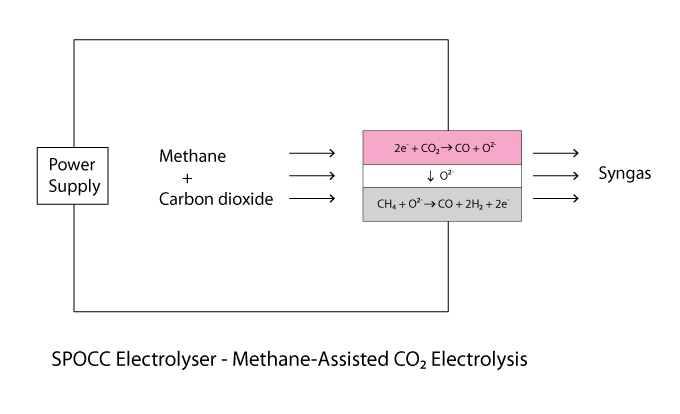
Instead of using a power supply, the electrolyser can be powered by a solid oxide fuel cell, with carbon dioxide and methane supplied to the anode, and air or oxygen to the cathode. As the reactions are self-sustaining, this is known as the SPOCC Reactor - the Self-Powered CO2 Converter. The electrolyser is known as the SPOCC Electrolyser.
Take a look to see how the technology works.
Please contact Ken Omersa if you'd like more information; phone and email details are provided here.
Sustainable Aviation Fuel
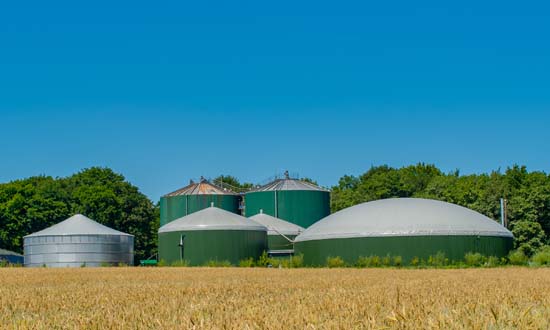
Anaerobic digesters convert organic matter into a mixture of methane and CO2. The SPOCC Reactor can be used as part of a route to produce sustainable aviation fuel. For an explanation.
SPOCC Reactor
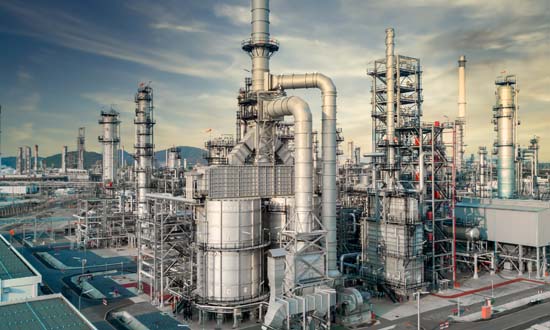
The Self-Powered CO2 Converter combines methane, CO2 and air at elevated temperature. Once at temperature, the reactions are self-sustaining.
Take a look to see how the technology works.
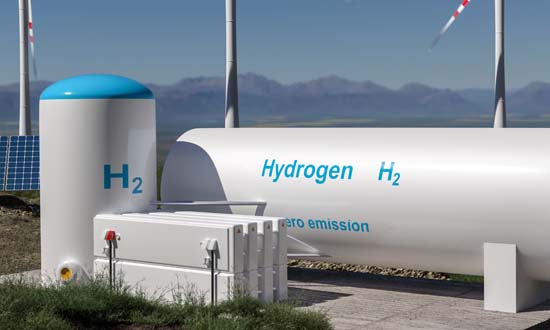
Sustainable Hydrogen
'Green' hydrogen, produced by water electrolysis is desirable, but also very energy intensive. Huge amounts of hydrogen are made by the 'grey' hydrogen route, which emits CO2. Read how the SPOCC Reactor could make this method sustainable.